Seasonal colour analysis12 seasons · 9 taps · 2 minutes
Which colours suit you?
Two coloured drapes sit under your chin, side by side. You tap the one that makes your face look clearer, nine times, and Drapebook names your season from the 12, with its working shown and an honest confidence.
- Photos never leave your phone
- No account
- No app to install
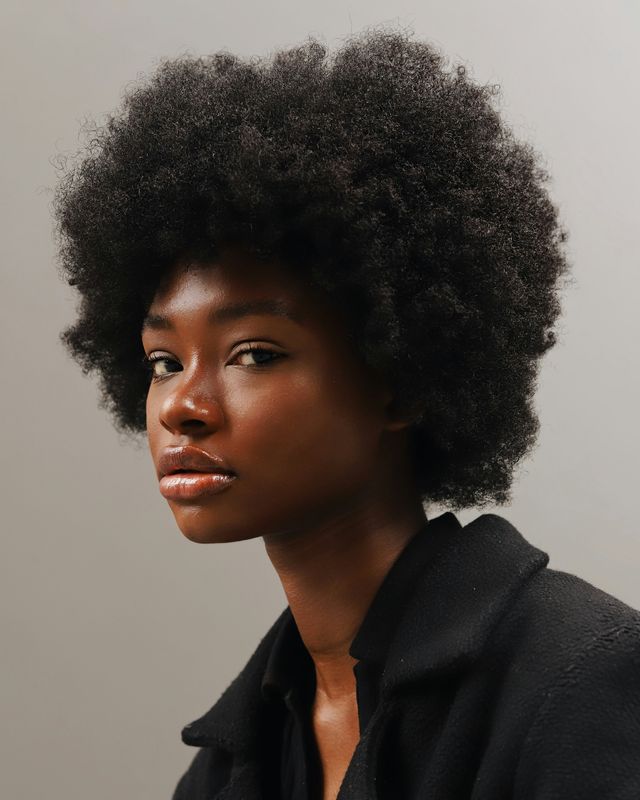 Look 01
Deep Winter
Jewel tones, real contrast.
- Deep emerald
- Deep cobalt
- Deep cherry
- Deep magenta
- Deep peacock
- Icy lilac
Skip near the face
 Look 02
Light Spring
Warm pastels with clarity.
- Light poppy
- Light apricot
- Light turquoise
- Light cerulean
- Light leaf
- Light hyacinth
Skip near the face
Example looks for illustration, with palettes from Drapebook's 12 season system. Photos by Good Faces and Nathan Dumlao on Unsplash; the people pictured have not taken the test.
Twelve seasons. One is yours.
The index
Every season is a point on three scales: warm or cool, light or deep, soft or bright. Spring, Summer, Autumn and Winter each split into three, and the drape test finds where you sit.
How it works
Three steps · about two minutes
-
Check the light
Face a window and hold a sheet of white paper beside your face. Tap the paper in the picture and Drapebook sets its white point from it, so room light tints you less. It checks the exposure, even light and colour cast too, and says when something needs fixing.
-
Nine drapes, side by side
Warm or cool, light or deep, soft or bright, then the leading seasons head to head. Left and right are shuffled, every pick reveals what each side was, and you can undo. Your picks decide your season. The camera's reading is shown beside it as a second opinion and does not count.
-
An honest answer
One of the 12 seasons with the reasoning behind it, and how sure it is, as in
Close call between Soft Autumn and Soft Summer.
Then save your best and worst drape, a palette card and a 9:16 video of the whole test.
Why side by side
Her best is his worst.
The colours that make one face look clear and rested make another look tired. Look 01's jewel tones are exactly what Look 02 should keep away from his face, and the other way round. You only see it when two colours sit next to each other, which is why Drapebook never shows you one drape at a time.
Best on Look 01Worst on Look 02Best on Look 02Worst on Look 01
- Deep cherryLight poppy
- Deep emeraldLight leaf
- Deep cobaltLight cerulean
- Deep lemonLight buttercup
Each row is one colour family, cut for two different faces.
Free, and Pro if you want more
Pay once · no subscription
DrapebookFree
$0
- Your season, with an honest confidence and the reasoning
- Your best and worst colour, side by side
- Six signature colours and gold or silver
- A palette card to save
- The 9:16 drape video, with a small end card
Drapebook ProOnce
$7.99USD, one payment
- The full palette: 12 colours, 3 neutrals, 2 metals and the 4 colours to keep away from your face
- Your hair, makeup and jewellery guide
- A phone wallpaper of your colours and a printable shopping card
- The video without the end card
- The 12 season guide as a PDF, for close calls and friends
Unlock from your result. Pay through Polar and you land straight back on your Pro guide, already unlocked. No account, no key to copy.
Private by design
Your photos never leave your phone.
Face finding, the colour reading and the video all run in your browser. The face model downloads from this site once, like a font, and your picture never travels the other way. Nothing is uploaded and there is no account.
The only thing Drapebook ever sends is a Pro licence key with your season's name, to fetch your guide. Read the privacy policy.
How far to trust it
Read me
Drapebook is a guided self drape: a starting point, not a professional analysis. You compare two colours under your chin, nine times, and your own picks decide your season.
We have tested the app's logic and how steady it is when the light changes. We have not yet measured how often it agrees with a trained colour analyst, so we do not quote an accuracy figure.
What it looks at
Which of two colours you prefer beside your face: that alone decides the result. The camera also reads the colour of your skin, hair and eyes and the light in the room. It uses the light to warn you and to correct a colour cast, and it shows its own reading of you as a second opinion that does not count.
What throws it off, and what to do
We ran 40 portraits through the app, then ran them again with one thing changed. This is how often the camera's second opinion on the same face came out as a different season. You judge the drapes in that same light, so the advice holds for your picks too.
- Lamp light. Indoor lamp light changed the reading for about 1 portrait in 6 when the phone corrected the colour itself, and for 7 in 10 under a warm bulb when it did not. Stand facing a window in daylight and switch the lamps off.
- Too dark or too bright. A picture one stop darker or brighter changed the reading for more than half the portraits, and half a stop for almost 1 in 3. Even light on your whole face, no direct sun, nothing burnt out.
- Make up. Blush changed the reading for about 4 portraits in 10. A foundation one step warmer or pinker than the skin changed 1 in 3. Bare skin if you can: no foundation, no blush, no tinted moisturiser.
- The wall behind you. A cream, sage or pale blue wall fooled the colour correction in about half our test scenes. Tapping a sheet of white paper fixed every one of them. Hold plain white paper beside your face and tap it in the picture.
- Framing. Standing closer or off centre changed the reading for about 1 portrait in 7. Fill the oval and keep your face in the middle.
A screen cannot bounce coloured light onto your face the way fabric does, and every screen shows colour a little differently. If the result surprises you, run it again at another time of day. A close call is a real tie: read both seasons.
Had a colour analysis in person? Help us measure this: send your result. We will quote a figure here only once enough people have.
Questions
FAQ
What is the 12 season system?
Seasonal colour analysis sorts people by three things: undertone (warm or cool), value (light or deep) and chroma (soft or bright). Spring, Summer, Autumn and Winter each split into three, such as Soft Autumn or Bright Winter. Your season points to the colours that make your skin look clear and rested.
Does it work for every skin tone?
It is built to. Your own picks decide the result, and the light check judges the room, not your skin, so nobody is told the picture is too dark because their skin is deep. We have tested the logic and the light checks with test images across all ten steps of the Monk Skin Tone Scale. We have not yet tested it with a panel of real people across skin tones, and when we have, the result goes on this page.
Do I need to install anything?
No. It runs in your browser on a phone or a computer with a camera, or from a photo. The video needs Chrome or Edge; everything else works in any current browser.
What if my result is a close call?
Drapebook says so and names both seasons. Run it again by a window at a different time of day, or ask a friend which side they prefer without telling them which is which. Pro includes the guide for both seasons in a close call.
How does Pro work without an account?
You pay once through Polar, our merchant of record. As soon as the payment goes through you land back on drapebook.com with Pro already unlocked in that browser: nothing to copy, no email to dig out. Your receipt email carries a licence key for any other phone or computer; open drapebook.com/pro there and paste it.
Who are the people in the pictures?
Models photographed by Good Faces and Nathan Dumlao and shared on Unsplash under the Unsplash License. They show what a season and its palette look like; they have not taken the test, and the seasons are examples, not their results.
I have a question, or something went wrong
Write to support@sundrymill.com. A person reads every message.